Vídeo | The 3-part routine that helped me learn 20+ languages
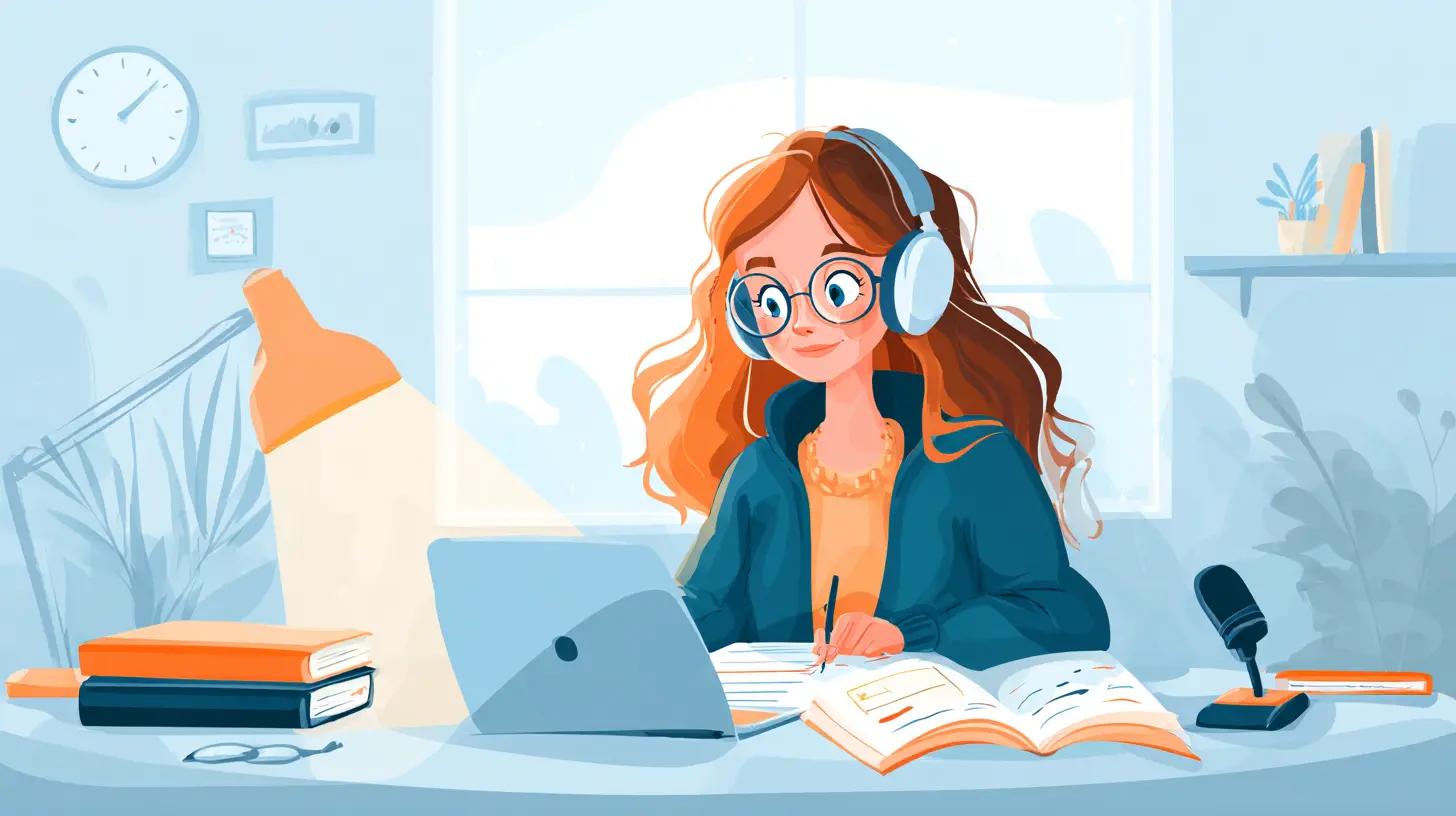
Aprender idiomas não é uma questão de tempo, mas de estratégia. Neste vídeo do poliglota Steve Kaufmann, você vai descobrir uma rotina simples e poderosa dividida em três momentos do dia que aproveita o funcionamento natural do cérebro para acelerar o aprendizado, mesmo com uma agenda cheia. Ao entender quando ouvir, quando revisar e como usar pequenos intervalos ao longo do dia, você transforma minutos dispersos em progresso consistente — e elimina de vez a desculpa de que não tem tempo para aprender.
| Audio | |
|---|---|
Normal | Slow |
| English Transcript | Tradução |
| The 3-part routine that helped me learn 20+ languages | A rotina em 3 partes que me ajudou a aprender mais de 20 idiomas |
| I don't have time for language learning. I hear that all the time. People tell me, you know, I would love to learn Spanish or some other language, but I just don't have time. So, I wanna share with you my experience because I have been learning languages, sort of not in a language school, for most of the last 60 years, and I wanna share my routine, why I think it works, and why recent things that I've discovered about how the brain learns confirm to me that this is the best way to organize your day. | Eu não tenho tempo para aprender idiomas. Eu ouço isso o tempo todo. As pessoas me dizem, você sabe, eu adoraria aprender espanhol ou algum outro idioma, mas eu simplesmente não tenho tempo. Então, eu quero compartilhar com você a minha experiência, porque eu tenho aprendido idiomas, meio que não em uma escola de idiomas, durante a maior parte dos últimos 60 anos, e eu quero compartilhar minha rotina, por que eu acho que ela funciona e por que coisas recentes que eu descobri sobre como o cérebro aprende confirmam para mim que esta é a melhor maneira de organizar o seu dia. |
| How do you organize your day to find the time to effectively learn languages while doing other things like working, for example? Right now I'm retired, so I have no obligation to work. However, most of my language learning of the last 60 years has been while I have been working at other jobs. So, I like to divide the day into three sort of compartments corresponding to different things happening during the day and, the sort of receptivity of the brain to receive different kinds of language inputs. | Como você organiza o seu dia para encontrar tempo para aprender idiomas de forma eficaz enquanto faz outras coisas, como trabalhar, por exemplo? Neste momento eu estou aposentado, então não tenho obrigação de trabalhar. No entanto, a maior parte do meu aprendizado de idiomas ao longo dos últimos 60 anos aconteceu enquanto eu estava trabalhando em outros empregos. Então, eu gosto de dividir o dia em três tipos de compartimentos correspondentes a diferentes coisas que acontecem durante o dia e, ao tipo de receptividade do cérebro para receber diferentes tipos de insumos linguísticos. |
| In the morning, my brain is freshest, and therefore, in the morning, I listen. It's also the easiest thing to do. My brain isn't bothered by things that I don't understand or things that are fuzzy. I am quite prepared to bathe my brain in audio input of things that might be very difficult, and maybe I'm only picking up a word or a phrase here or there, but it's okay. | De manhã, meu cérebro está mais fresco, e portanto, de manhã, eu escuto. Também é a coisa mais fácil de fazer. Meu cérebro não se incomoda com coisas que eu não entendo ou coisas que são vagas. Eu estou perfeitamente disposto a banhar meu cérebro em entrada de áudio de coisas que podem ser muito difíceis, e talvez eu esteja captando apenas uma palavra ou uma frase aqui ou ali, mas tudo bem. |
| It's all good. I'm enjoying it. And depending on where I was at certain times in my career, I might be jogging before breakfast, or now I will be preparing breakfast before my wife gets up. Or I will clean up after breakfast. All of these things are things that I can do while listening to the language. Similarly, in an earlier stage in my career, I would be driving to work or taking public transit to work, which is also an opportunity to listen. | Está tudo bem. Eu estou aproveitando. E dependendo de onde eu estava em certos momentos da minha carreira, eu poderia estar correndo antes do café da manhã, ou agora estarei preparando o café da manhã antes que minha esposa se levante. Ou eu vou limpar depois do café da manhã. Todas essas coisas são coisas que eu posso fazer enquanto escuto o idioma. Da mesma forma, em uma fase anterior da minha carreira, eu estaria dirigindo para o trabalho ou pegando transporte público para o trabalho, o que também é uma oportunidade para escutar. |
| So, the morning time is when our brains are freshest, most receptive to uncertainty, which is a big part of language learning, and most receptive to getting that exposure to the language and then anticipating when we're going to be able to reengage with that same content later on, reading or using link to look up words, and so forth and so on. | Então, o período da manhã é quando nossos cérebros estão mais frescos, mais receptivos à incerteza, que é uma grande parte do aprendizado de idiomas, e mais receptivos a obter essa exposição ao idioma e então antecipar quando vamos poder nos reconectar com esse mesmo conteúdo mais tarde, lendo ou usando link para procurar palavras e assim por diante. |
| So, that morning period is very important in my language learning, and I've always felt we should get in 60 to 90 minutes a day. So, you can get in the first 30, 40 minutes of that in the morning while the brain is fresh, primarily through listening. That gets you well on your way. I'll move to the final stage in the day before touching on the middle stage. | Então, esse período da manhã é muito importante no meu aprendizado de idiomas, e eu sempre senti que deveríamos conseguir de 60 a 90 minutos por dia, então você pode conseguir os primeiros 30, 40 minutos disso de manhã enquanto o cérebro está fresco, principalmente através da escuta. Isso te coloca bem no caminho certo. Eu vou passar para a fase final do dia antes de tocar na fase do meio. |
| Now, apparently, and I didn't realize this until recently, if we learn something or review something before going to bed, that sleep is very important for reinforcing, soaking in whatever it is that we're learning just before we go to bed. But on the other hand, we are more tired in the evening, so we are less willing to engage with things that are difficult or uncertain or things that we don't understand that well. | Agora, aparentemente, e eu não percebi isso até recentemente, se aprendermos algo ou revisarmos algo antes de ir para a cama, esse sono é muito importante para reforçar, absorver tudo aquilo que estamos aprendendo logo antes de irmos para a cama. Mas, por outro lado, estamos mais cansados à noite, então estamos menos dispostos a nos envolver com coisas que são difíceis ou incertas ou coisas que não entendemos tão bem. |
| So, the evening is a better time to be using, perhaps, you know, less demanding content or reviewing vocabulary or reading, and slowly going through looking up words without worrying about how much material you are covering. Whereas, in the morning, with a fresh brain and a lot of listening, we can be moving forward in the language, leaving a lot of it poorly understood—it doesn't matter. | Então, a noite é um momento melhor para usar, talvez, você sabe, conteúdo menos exigente ou revisar vocabulário ou ler, e ir lentamente procurando palavras sem se preocupar com quanto material você está cobrindo. Enquanto isso, pela manhã, com o cérebro fresco e muita escuta, podemos avançar no idioma, deixando muito dele mal compreendido — isso não importa. |
| So, in the evening, typically, I will go through something that I listened to in the morning, saving words and phrases. Depending on how tired I am, I will either go, you know, page mode, call it covering a lot of material, or I will take it easy, go through sentence mode, maybe review the matching pairs, the words, reconstitute the sentence, so I'm spending more time with the content itself, trying to soak it in there before I go to bed in the hope that it'll be more likely to stay with me. | Então, à noite, tipicamente eu vou passar por algo que eu escutei pela manhã, salvando palavras e frases. Dependendo de quão cansado eu estou, eu vou ou, você sabe, modo página, chame de cobrir muito material, ou eu vou com calma, passo pelo modo frase, talvez revise os pares correspondentes, as palavras, reconstituo a frase, então estou passando mais tempo com o próprio conteúdo, tentando absorvê-lo ali antes de ir para a cama na esperança de que seja mais provável que fique comigo. |
| So, in the morning, lots of listening—the brain is fresh, willing to take on more demanding material; in the evening, more review, easier content, but still taking advantage of the fact that if you take that to bed with you, it's going to, at some level, start to stick in your brain. Now, the third period of language learning is whatever else you can get in during the day. | Então, pela manhã, muita escuta — o cérebro está fresco, disposto a encarar material mais exigente; à noite, mais revisão, conteúdo mais fácil, mas ainda aproveitando o fato de que se você leva isso para a cama com você, isso vai, em algum nível, começar a se fixar no seu cérebro. Agora, o terceiro período do aprendizado de idiomas é qualquer outra coisa que você consiga encaixar durante o dia. |
| So, it might be you're waiting somewhere, or you're driving to something, or you're in, you know, transit to somewhere else. Anything you can add is just extra. Another thing I would say, on the idea that apparently whatever you learn or review before going to bed is gonna be, you know, reinforced during sleep: | Então, pode ser que você esteja esperando em algum lugar, ou esteja dirigindo para algum lugar, ou esteja em, você sabe, trânsito para outro lugar. Qualquer coisa que você possa acrescentar é apenas extra. Outra coisa que eu diria sobre a ideia de que, aparentemente, tudo o que você aprende ou revisa antes de ir para a cama vai ser, você sabe, reforçado durante o sono: |
| If you have an opportunity to get together with people and speak the language you're learning, let's say over dinner or whatever at night, that's gonna be with you while you sleep. So, that's very, very powerful. Apparently, similarly, if you watch a video because you're too tired to go through looking up words and so forth, reading, but you can watch a video in your target language and you may not understand everything you hear, and maybe you're relying, to some extent, on the subtitles, but all of that is patterns in the language that you're going to take into your sleep, and it'll be more likely to be reinforced, apparently. | Se você tiver a oportunidade de se reunir com pessoas e falar o idioma que está aprendendo, digamos durante o jantar ou algo assim à noite, isso vai estar com você enquanto você dorme. Então, isso é muito, muito poderoso. Aparentemente, de forma semelhante, se você assistir a um vídeo porque está cansado demais para ficar procurando palavras e assim por diante lendo, mas você pode assistir a um vídeo no seu idioma-alvo e talvez não entenda tudo o que ouve, e talvez esteja dependendo, até certo ponto, das legendas, mas tudo isso são padrões do idioma que você vai levar para o seu sono, e será mais provável que seja reforçado, aparentemente. |
| The other thing, too, is that if you know you're gonna be using the language at night, 'cause you're getting together with people to speak the language, or you're gonna watch a video, or even anticipating that you're gonna be reading and looking up words of some content item that you listened to in the morning and didn't fully understand, all of that anticipation, looking forward, is very powerful. | Outra coisa também é que, se você sabe que vai usar o idioma à noite, porque vai se reunir com pessoas para falar o idioma ou vai assistir a um vídeo ou mesmo antecipar que vai ler e procurar palavras de algum conteúdo que você escutou pela manhã e não entendeu completamente, toda essa antecipação, esse olhar para frente, é muito poderoso. |
| We learn better when we're looking forward. We have that anticipation, that anticipated dopamine, you know, feeling good about something that's about to happen to us. It helps us focus. So, that whole pattern of doing things in the morning to trigger your curiosity triggers some level of anticipation, and then consolidating all of that in the evening before going to bed, I think, is a very, useful, purposeful way to organize your day. | Nós aprendemos melhor quando estamos olhando para frente. Temos essa antecipação, essa dopamina antecipada, você sabe, essa sensação de bem-estar sobre algo que está prestes a acontecer conosco. Isso nos ajuda a focar. Então, todo esse padrão de fazer coisas pela manhã para estimular sua curiosidade gera algum nível de antecipação. E então consolidar tudo isso à noite antes de ir para a cama, eu acho que é uma maneira muito, útil e intencional de organizar o seu dia. |
| And as long as you are motivated and can maintain that positive mindset, I think you will be able to find 60 minutes, 90 minutes, perhaps not every day, but many days, to work in your language learning. So, you won't be able to say, I can't learn languages because I don't have the time. In my experience, if you're motivated to do it, you will find the time, and so I offer that as a way of organizing your day that I hope you find useful. | E desde que você esteja motivado e consiga manter essa mentalidade positiva, eu acho que você será capaz de encontrar 60 minutos, 90 minutos, talvez não todos os dias, mas em muitos dias, para encaixar no seu aprendizado de idiomas. Então, você não poderá dizer, eu não posso aprender idiomas porque não tenho tempo. Na minha experiência, se você estiver motivado para fazer isso, você vai encontrar o tempo, e então eu ofereço isso como uma forma de organizar o seu dia que eu espero que você ache útil. |
| Thank you for listening. Bye for now. | Obrigado por ouvir. Até logo por enquanto. |
Contagem de palavras
A tabela abaixo exibe as palavras encontradas neste vídeo, bem como o número de vezes em que aparecem.
Veja também: Para que serve esta tabela?
| Freq. | Palavra | Freq. | Palavra | Freq. | Palavra |
|---|---|---|---|---|---|
| 54 | to | 52 | the | 43 | you |
| 41 | I | 39 | that | 32 | in |
| 26 | is | 26 | and | 25 | of |
| 23 | are | 20 | or | 19 | so |
| 17 | language | 17 | be | 16 | it |
| 15 | a | 13 | not | 12 | we |
| 11 | will | 11 | things | 11 | my |
| 10 | your | 10 | with | 10 | on |
| 10 | morning | 10 | have | 10 | day |
| 9 | time | 9 | learning | 9 | do |
| 9 | brain | 8 | before | 7 | very |
| 7 | up | 7 | learn | 7 | know |
| 7 | going | 7 | can | 7 | but |
| 6 | words | 6 | more | 6 | if |
| 6 | go | 6 | for | 6 | bed |
| 6 | am | 6 | all | 5 | while |
| 5 | through | 5 | something | 5 | some |
| 5 | other | 5 | now | 5 | looking |
| 5 | gonna | 5 | evening | 5 | content |
| 5 | at | 4 | work | 4 | whatever |
| 4 | way | 4 | understand | 4 | take |
| 4 | sleep | 4 | review | 4 | reading |
| 4 | most | 4 | minutes | 4 | me |
| 4 | listening | 4 | languages | 4 | how |
| 4 | get | 4 | find | 4 | apparently |
| 4 | about | 3 | would | 3 | when |
| 3 | watch | 3 | video | 3 | using |
| 3 | us | 3 | tired | 3 | think |
| 3 | thing | 3 | stage | 3 | sort |
| 3 | say | 3 | people | 3 | organize |
| 3 | might | 3 | maybe | 3 | material |
| 3 | lot | 3 | just | 3 | fresh |
| 3 | forward | 3 | during | 3 | breakfast |
| 3 | been | 3 | because | 3 | as |
| 3 | anticipation | 3 | an | 3 | able |
| 2 | years | 2 | working | 2 | willing |
| 2 | why | 2 | which | 2 | well |
| 2 | wanna | 2 | useful | 2 | transit |
| 2 | too | 2 | together | 2 | this |
| 2 | there | 2 | then | 2 | taking |
| 2 | speak | 2 | somewhere | 2 | similarly |
| 2 | share | 2 | sentence | 2 | routine |
| 2 | reinforced | 2 | receptive | 2 | powerful |
| 2 | period | 2 | perhaps | 2 | part |
| 2 | opportunity | 2 | night | 2 | motivated |
| 2 | mode | 2 | listened | 2 | listen |
| 2 | likely | 2 | like | 2 | level |
| 2 | less | 2 | last | 2 | into |
| 2 | important | 2 | hope | 2 | hear |
| 2 | good | 2 | getting | 2 | gets |
| 2 | freshest | 2 | forth | 2 | experience |
| 2 | else | 2 | driving | 2 | doing |
| 2 | difficult | 2 | different | 2 | did |
| 2 | depending | 2 | demanding | 2 | covering |
| 2 | career | 2 | better | 2 | anticipating |
| 2 | also | 1 | worrying | 1 | works |
| 1 | word | 1 | without | 1 | wife |
| 1 | whole | 1 | whereas | 1 | where |
| 1 | was | 1 | waiting | 1 | vocabulary |
| 1 | until | 1 | understoodit | 1 | uncertainty |
| 1 | uncertain | 1 | typically | 1 | trying |
| 1 | triggers | 1 | trigger | 1 | touching |
| 1 | times | 1 | three | 1 | third |
| 1 | these | 1 | therefore | 1 | thank |
| 1 | tell | 1 | target | 1 | subtitles |
| 1 | still | 1 | stick | 1 | stay |
| 1 | start | 1 | spending | 1 | spanish |
| 1 | soaking | 1 | soak | 1 | slowly |
| 1 | should | 1 | school | 1 | saving |
| 1 | same | 1 | right | 1 | reviewing |
| 1 | retired | 1 | relying | 1 | reinforcing |
| 1 | reengage | 1 | reconstitute | 1 | receptivity |
| 1 | recently | 1 | recent | 1 | receive |
| 1 | realize | 1 | quite | 1 | purposeful |
| 1 | public | 1 | primarily | 1 | preparing |
| 1 | prepared | 1 | positive | 1 | poorly |
| 1 | picking | 1 | phrases | 1 | phrase |
| 1 | patterns | 1 | pattern | 1 | pairs |
| 1 | page | 1 | over | 1 | our |
| 1 | organizing | 1 | only | 1 | okay |
| 1 | offer | 1 | obligation | 1 | no |
| 1 | much | 1 | moving | 1 | move |
| 1 | mindset | 1 | middle | 1 | may |
| 1 | matter | 1 | matching | 1 | many |
| 1 | maintain | 1 | love | 1 | lots |
| 1 | look | 1 | long | 1 | listeningthe |
| 1 | link | 1 | let | 1 | leaving |
| 1 | learns | 1 | later | 1 | kinds |
| 1 | jogging | 1 | jobs | 1 | itself |
| 1 | item | 1 | inputs | 1 | input |
| 1 | idea | 1 | however | 1 | here |
| 1 | helps | 1 | helped | 1 | has |
| 1 | happening | 1 | happen | 1 | hand |
| 1 | fuzzy | 1 | fully | 1 | focus |
| 1 | first | 1 | final | 1 | felt |
| 1 | feeling | 1 | fact | 1 | extra |
| 1 | extent | 1 | exposure | 1 | example |
| 1 | everything | 1 | every | 1 | even |
| 1 | enjoying | 1 | engage | 1 | either |
| 1 | effectively | 1 | easy | 1 | easiest |
| 1 | easier | 1 | earlier | 1 | dopamine |
| 1 | does | 1 | divide | 1 | discovered |
| 1 | dinner | 1 | days | 1 | curiosity |
| 1 | corresponding | 1 | consolidating | 1 | confirm |
| 1 | compartments | 1 | clean | 1 | certain |
| 1 | cause | 1 | cannot | 1 | call |
| 1 | bye | 1 | by | 1 | brains |
| 1 | bothered | 1 | big | 1 | best |
| 1 | bathe | 1 | audio | 1 | anything |
| 1 | anticipated | 1 | another | 1 | always |
| 1 | after | 1 | advantage | 1 | add |