Vídeo | 10 Habits That Damage Your Brain
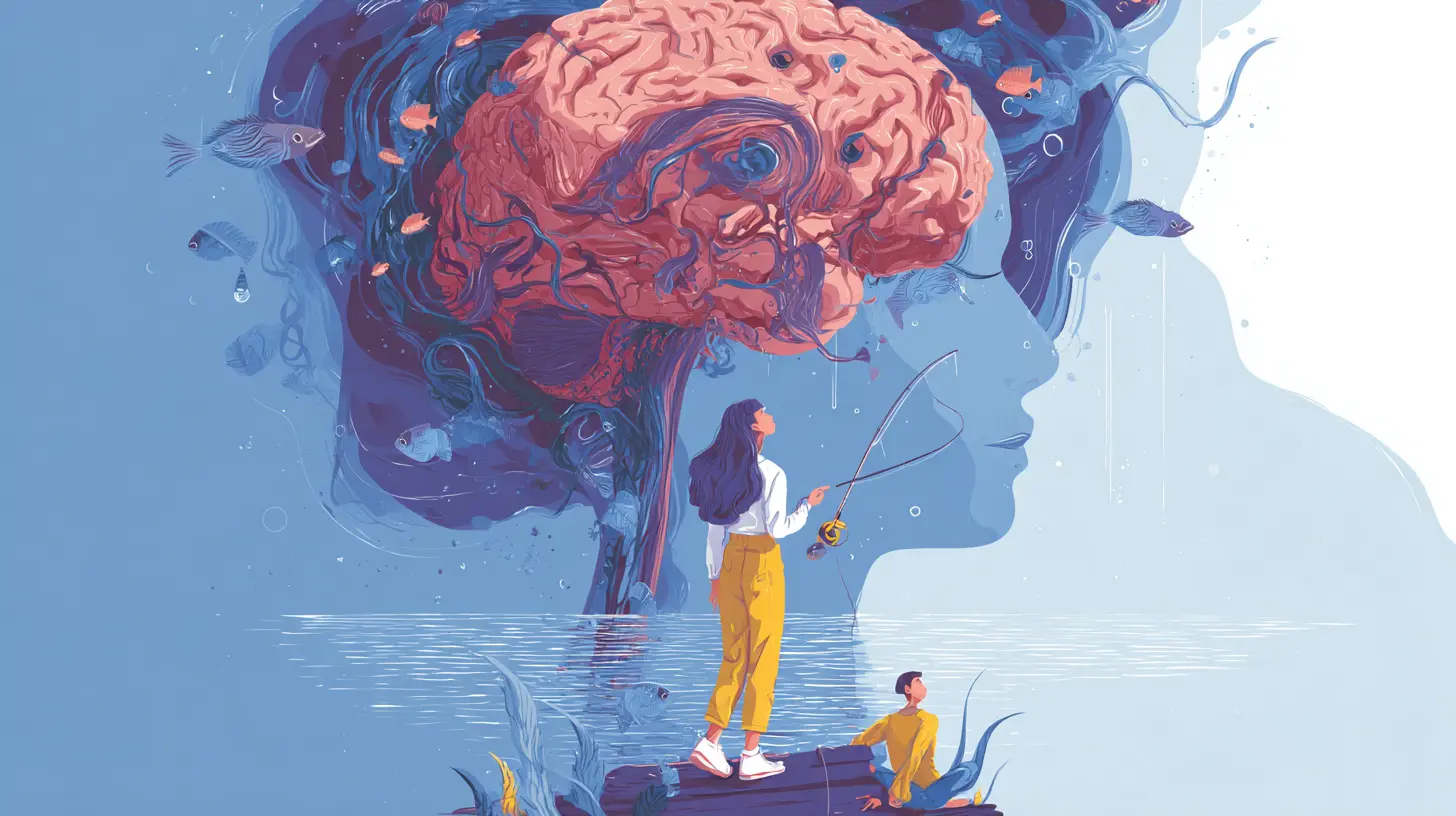
Seu cérebro é o objeto mais complexo do mundo, mas será que você está sabotando o potencial dele sem perceber? De hábitos comuns como a falta de sono e o sedentarismo até perigos silenciosos como o isolamento social e o excesso de ruído, este vídeo revela os dez comportamentos que podem acelerar o declínio cognitivo e aumentar os riscos de doenças graves — além de destacar uma prática surpreendente e deliciosa que pode ser a maior aliada da sua saúde mental. Descubra como pequenas mudanças na sua rotina de hoje podem proteger sua memória e garantir uma mente afiada por toda a vida.
| Audio | |
|---|---|
Normal | Slow |
| English Transcript | Tradução |
| 10 Habits That Damage Your Brain (and one that helps it!) | 10 Hábitos que Danificam seu Cérebro (e um que o ajuda!) |
| Robert Frost once quipped that “The brain is a wonderful organ; it starts working the moment you get up in the morning and does not stop until you get into the office.” And while Robert of course meant it as a joke, he was right about one thing — the brain is a wonderful organ. | Robert Frost disse uma vez que “O cérebro é um órgão maravilhoso; ele começa a trabalhar no momento em que você se levanta de manhã e não para até você chegar ao escritório”. E embora Robert certamente tenha dito isso como uma piada, ele estava certo sobre uma coisa — o cérebro é um órgão maravilhoso. |
| It’s one of the most complicated objects known to man, with 86 billion neurons and hundreds of billions of nerve fibers. However, despite the delicate and complex nature of our brains, we often don’t do much to make sure it’s functioning properly, or to make sure we’re setting it up for long term health. In fact, you may have some habits that, left unchecked, could have serious consequences. | É um dos objetos mais complicados conhecidos pelo homem, com 86 bilhões de neurônios e centenas de bilhões de fibras nervosas. No entanto, apesar da natureza delicada e complexa de nossos cérebros, muitas vezes não fazemos muito para garantir que ele esteja funcionando corretamente ou para garantir que o estejamos preparando para a saúde a longo prazo. Na verdade, você pode ter alguns hábitos que, se não forem controlados, podem ter consequências graves. |
| These habits could actually damage your cognitive ability and increase your chances of developing complications like Alzheimer's or dementia later in life. So, if you're wondering whether you’re setting your brain up for a long, healthy life, here are ten habits that might be causing your wonderful organ harm - and one habit that might actually be doing it quite a bit of good: | Esses hábitos podem, na verdade, danificar sua capacidade cognitiva e aumentar suas chances de desenvolver complicações como Alzheimer ou demência mais tarde na vida. Portanto, se você está se perguntando se está preparando seu cérebro para uma vida longa e saudável, aqui estão dez hábitos que podem estar causando danos ao seu maravilhoso órgão — e um hábito que pode, na verdade, estar fazendo muito bem a ele: |
| 1. Sleep Deprivation | 1. Privação de Sono |
| Not getting enough sleep poses huge risks both to your ability to function normally during the day but also to your long term brain health. In the short term, if you’re experiencing sleep deprivation, you’ll probably feel groggy, have concentration issues, and mood swings. Over a long period of time, sleep deprivation leads to a host of ill effects such as hypertension, diabetes, obesity, depression, heart attack, and stroke. | Não dormir o suficiente apresenta riscos enormes tanto para sua capacidade de funcionar normalmente durante o dia, mas também para a saúde do seu cérebro a longo prazo. No curto prazo, se você estiver sofrendo de privação de sono, provavelmente se sentirá grogue, terá problemas de concentração e mudanças de humor. Ao longo de um grande período de tempo, a privação de sono leva a uma série de efeitos adversos, como hipertensão, diabetes, obesidade, depressão, ataque cardíaco e derrame. |
| To make sure you’re getting enough sleep and giving your brain all the rest it needs, make sure you turn off screens before bed. The light from phones and laptops can keep you awake longer than you might think, and cause you to lose sleep. Also try setting up a regular routine of going to bed at the same time every night and waking up at the same time every morning. Getting in the habit of sleeping enough will help combat sleep deprivation. | Para garantir que você esteja dormindo o suficiente e dando ao seu cérebro todo o descanso de que ele precisa, certifique-se de desligar as telas antes de dormir. A luz de telefones e laptops pode mantê-lo acordado por mais tempo do que você imagina e fazer com que você perca o sono. Tente também estabelecer uma rotina regular de ir para a cama no mesmo horário todas as noites e acordar no mesmo horário todas as manhãs. Adquirir o hábito de dormir o suficiente ajudará a combater a privação de sono. |
| 2. Sedentary Lifestyle | 2. Estilo de Vida Sedentário |
| Our brains thrive on physical activity. Staying sedentary may not seem like such a big deal in the short term, but it actually can lead to cognitive decline, grogginess, fatigue, and low-energy. Over a long time, it also leads to anxiety and depression and increases your risk of mortality, cardiovascular diseases, diabetes, obesity, and more. | Nossos cérebros prosperam com a atividade física. Permanecer sedentário pode não parecer um grande problema a curto prazo, mas na verdade pode levar ao declínio cognitivo, confusão mental, fadiga e baixa energia. Ao longo de muito tempo, isso também leva à ansiedade e depressão e aumenta o risco de mortalidade, doenças cardiovasculares, diabetes, obesidade e muito mais. |
| Incorporate more movement into your life by exercising regularly at home or at a gym, joining local sports teams, or taking a fitness class. If you have a job that requires you to sit for long periods of time, try getting a standing desk and taking regular breaks to exercise, stretch, and walk. | Incorpore mais movimento à sua vida exercitando-se regularmente em casa ou na academia, juntando-se a equipes esportivas locais ou fazendo uma aula de ginástica. Se você tem um emprego que exige que você fique sentado por longos períodos, tente adquirir uma mesa de pé e fazer pausas regulares para se exercitar, alongar e caminhar. |
| 3. Smoking | 3. Fumar |
| Smoking is a difficult habit to break, but the negative effects are so detrimental, your brain’s health is at serious risk if you continue. Most notably, smoking can lead to dementia further in life due to loss of brain volume. It also increases the risk of a host of different serious lung, heart, and body complications. You can find many resources online to help you quit smoking, but understanding the real cost of how serious the ramifications of regular smoking is, is the first step to breaking the habit and helping your brain stay strong throughout your life. | Fumar é um hábito difícil de quebrar, mas os efeitos negativos são tão prejudiciais que a saúde do seu cérebro corre sério risco se você continuar. Mais notavelmente, o tabagismo pode levar à demência mais tarde na vida devido à perda de volume cerebral. Também aumenta o risco de uma série de diferentes complicações graves nos pulmões, no coração e no corpo. Você pode encontrar muitos recursos online para ajudá-lo a parar de fumar, mas entender o custo real de quão graves são as ramificações do tabagismo regular é o primeiro passo para quebrar o hábito e ajudar seu cérebro a permanecer forte ao longo da vida. |
| 4. Dehydration | 4. Desidratação |
| Our bodies are made of mostly water, which means we need to keep hydrated in order to function properly. Not drinking enough water can cause headaches, dizziness and lightheadedness. Not drinking enough water over a long period of time can result in severe complications, such as seizures, swelling of the brain, kidney failure, shock, coma and even death. | Nossos corpos são feitos principalmente de água, o que significa que precisamos nos manter hidratados para funcionar adequadamente. Não beber água suficiente pode causar dores de cabeça, tonturas e vertigens. Não beber água suficiente por um longo período pode resultar em complicações graves, como convulsões, inchaço no cérebro, insuficiência renal, choque, coma e até a morte. |
| Make sure to drink plenty of water throughout the day to avoid dehydration, and always bring water with you on hot days. If you struggle to keep up with drinking the right amount of water every day, experiment with taking a water bottle along with you wherever you go, or keep track of your water consumption in an app on your phone. | Certifique-se de beber bastante água ao longo do dia para evitar a desidratação e sempre leve água com você em dias quentes. Se você tem dificuldade em manter o consumo da quantidade correta de água todos os dias, experimente levar uma garrafa de água com você onde quer que vá ou monitore seu consumo de água em um aplicativo no seu telefone. |
| 5. Not Enough Sunlight | 5. Falta de Luz Solar |
| Remaining indoors day-in and day-out is also detrimental to your brain’s health. The sun provides vitamin D, an essential vitamin for regulating many cellular functions in your body and maintaining energy throughout the day. Not getting enough vitamin D causes depression and fatigue, as well as potential cognitive decline later in life. | Permanecer em ambientes fechados dia após dia também é prejudicial à saúde do seu cérebro. O sol fornece vitamina D, uma vitamina essencial para regular muitas funções celulares no seu corpo e manter a energia ao longo do dia. Não receber vitamina D suficiente causa depressão e fadiga, bem como um potencial declínio cognitivo mais tarde na vida. |
| To make sure you get enough vitamin D, get outside during the day whenever possible to walk, exercise, or just enjoy the sun. If that’s not available to you, you can take vitamin D supplements to make sure you’re getting enough. Food like fish and dairy products are also great sources of vitamin D. | Para garantir que você receba vitamina D suficiente, saia de casa durante o dia sempre que possível para caminhar, se exercitar ou apenas aproveitar o sol. Se isso não estiver disponível para você, você pode tomar suplementos de vitamina D para garantir que esteja recebendo o suficiente. Alimentos como peixes e laticínios também são ótimas fontes de vitamina D. |
| 6. Stress | 6. Estresse |
| Over time, stress has a huge negative impact on your brain’s health. From causing headaches, anxiety, and depression, to insomnia, low energy, and cloudy thinking, stress takes a toll on your brain. Occasional stress in life, of course, is normal and shouldn’t cause worry. | Com o tempo, o estresse tem um enorme impacto negativo na saúde do seu cérebro. Desde causar dores de cabeça, ansiedade e depressão, até insônia, baixa energia e pensamento nublado, o estresse cobra seu preço do seu cérebro. O estresse ocasional na vida, é claro, é normal e não deve causar preocupação. |
| However, if you’re feeling extremely stressed every day, you may want to consider restructuring your life to reduce the stress. Work conditions, environment, and social life may be the source of your stress, and figuring out exactly where it’s coming from is the first step to helping your brain stay in good shape. | No entanto, se você estiver se sentindo extremamente estressado todos os dias, talvez queira considerar a reestruturação de sua vida para reduzir o estresse. As condições de trabalho, o ambiente e a vida social podem ser a fonte do seu estresse, e descobrir exatamente de onde ele vem é o primeiro passo para ajudar seu cérebro a permanecer em boa forma. |
| 7. Unhealthy Diet | 7. Dieta Não Saudável |
| What we put in our bodies is the fuel for our brains, so make sure you’re not in the habit of consuming too much junk food, sugar, or simply overeating. Continual overeating and obesity has been linked to mental decline in older adults, and obesity has been shown to negatively affect memory, compared with normal weight individuals. | O que colocamos em nossos corpos é o combustível para nossos cérebros, portanto, certifique-se de não ter o hábito de consumir muita "junk food", açúcar ou simplesmente comer em excesso. O comer em excesso contínuo e a obesidade têm sido associados ao declínio mental em adultos mais velhos, e a obesidade demonstrou afetar negativamente a memória, em comparação com indivíduos de peso normal. |
| So instead of consuming foods like greasy hot dogs, candy, and french fries, incorporate more healthy brain foods like green, leafy vegetables, fish, berries, nuts, and whole grains. | Portanto, em vez de consumir alimentos como cachorros-quentes gordurosos, doces e batatas fritas, incorpore mais alimentos saudáveis para o cérebro, como vegetais de folhas verdes, peixes, frutas vermelhas, nozes e grãos integrais. |
| 8. Loud Music | 8. Música Alta |
| Listening to loud music regularly also has a negative effect on your brain. Studies have shown that prolonged exposure to loud noise actually changes how the brain processes speech, which potentially increases difficulty in distinguishing speech sounds. | Ouvir música alta regularmente também tem um efeito negativo no seu cérebro. Estudos demonstraram que a exposição prolongada a ruídos altos na verdade altera a forma como o cérebro processa a fala, o que potencialmente aumenta a dificuldade em distinguir os sons da fala. |
| Other research shows that loud music played on earphones causes hearing loss by having a similar effect on your nerves as multiple sclerosis. Make sure the volume on your headphones is at a reasonable volume when listening to music, and if you attend concerts or go to clubs, bring along ear plugs to reduce the effect of the loud noises. | Outras pesquisas mostram que a música alta tocada em fones de ouvido causa perda auditiva ao ter um efeito em seus nervos semelhante ao da esclerose múltipla. Certifique-se de que o volume nos seus fones de ouvido esteja em um nível razoável ao ouvir música e, se você frequentar concertos ou for a clubes, leve protetores auriculares para reduzir o efeito dos ruídos altos. |
| 9. Social Isolation | 9. Isolamento Social |
| Humans are fundamentally social creatures. We thrive in groups and need emotional connection with friends and family. Social isolation has been linked to depression, poor sleep quality, impaired executive function, accelerated cognitive decline, poor cardiovascular function and impaired immunity at any stage of life. | Os seres humanos são fundamentalmente criaturas sociais. Nós prosperamos em grupos e precisamos de conexão emocional com amigos e familiares. O isolamento social tem sido associado à depressão, má qualidade do sono, função executiva prejudicada, declínio cognitivo acelerado, função cardiovascular precária e imunidade prejudicada em qualquer fase da vida. |
| To avoid social isolation, join groups in your community, connect with friends regularly, and make the effort to meet new people. By staying connected, you’ll improve your brain function, mental health, and lower your risk of dementia. | Para evitar o isolamento social, junte-se a grupos em sua comunidade, conecte-se com amigos regularmente e faça um esforço para conhecer novas pessoas. Ao manter-se conectado, você melhorará sua função cerebral, saúde mental e reduzirá o risco de demência. |
| 10. Not Exercising (Your Brain) | 10. Não Exercitar (Seu Cérebro) |
| To reduce your chances of cognitive decline, keep your brain healthy by exercising it! Not exercising your brain may lead to stagnation and complications down the road. | Para reduzir suas chances de declínio cognitivo, mantenha seu cérebro saudável exercitando-o! Não exercitar seu cérebro pode levar à estagnação e complicações no futuro. |
| Using cognitive training and working on things such as improving your memory, increasing your mental processing speed, and developing your reasoning and problem solving skills is a great way to keep your brain sharp. …and finally a habit *NOT* to quit! Some studies have shown that drinking coffee actually helps your brain, both in the short and long term. | Usar o treinamento cognitivo e trabalhar em coisas como melhorar sua memória, aumentar sua velocidade de processamento mental e desenvolver seu raciocínio e habilidades de resolução de problemas é uma ótima maneira de manter seu cérebro afiado. …e finalmente um hábito para *NÃO* abandonar! Alguns estudos mostraram que beber café na verdade ajuda seu cérebro, tanto a curto quanto a longo prazo. |
| When consumed in moderation, coffee improves mood, vigilance, learning, and reaction time. Used over a long period of time, coffee may even protect against brain conditions like Alzheimer's and Parkinson's. So that cup of coffee you look forward to every morning doesn’t have to go out the window. | Quando consumido com moderação, o café melhora o humor, a vigilância, o aprendizado e o tempo de reação. Usado por um longo período de tempo, o café pode até proteger contra condições cerebrais como Alzheimer e Parkinson. Então, aquela xícara de café que você espera ansiosamente todas as manhãs não precisa ser descartada. |
| Your brain may need it! If you’re wondering whether you’re setting your brain up for a long, healthy life, consider whether any of your daily habits might be causing you more harm than good. You just might be inadvertently increasing your risks of issues both now and later in life. | Seu cérebro pode precisar dela! Se você está se perguntando se está preparando seu cérebro para uma vida longa e saudável, considere se algum de seus hábitos diários pode estar lhe causando mais mal do que bem. Você pode estar, inadvertidamente, aumentando seus riscos de problemas tanto agora quanto mais tarde na vida. |
| Through our habits we can cause serious damage, but by developing healthy habits, we can give these wonderful organs of ours the best chance for a long, happy life. Would you like the full illustration from this video? Click here and I'll send it right over! If you are already subscribed to my free Art of Improvement email newsletter, then there's a copy of it already waiting in your inbox. Thank you for watching and have an awesome week! | Através de nossos hábitos, podemos causar sérios danos, mas ao desenvolver hábitos saudáveis, podemos dar a esses nossos órgãos maravilhosos a melhor chance de uma vida longa e feliz. Gostaria da ilustração completa deste vídeo? Clique aqui e eu a enviarei imediatamente! Se você já é assinante do meu boletim informativo gratuito por e-mail Art of Improvement, então já há uma cópia esperando na sua caixa de entrada. Obrigado por assistir e tenha uma semana incrível! |
Contagem de palavras
A tabela abaixo exibe as palavras encontradas neste vídeo, bem como o número de vezes em que aparecem.
Veja também: Para que serve esta tabela?
| Freq. | Palavra | Freq. | Palavra | Freq. | Palavra |
|---|---|---|---|---|---|
| 53 | and | 50 | to | 43 | the |
| 42 | your | 40 | of | 38 | you |
| 29 | a | 26 | brain | 25 | in |
| 16 | it | 13 | life | 13 | is |
| 12 | that | 12 | not | 11 | long |
| 10 | on | 10 | make | 10 | if |
| 9 | time | 9 | sure | 9 | re |
| 9 | enough | 9 | can | 8 | with |
| 8 | water | 8 | sleep | 8 | or |
| 8 | have | 8 | for | 8 | day |
| 7 | we | 7 | up | 7 | may |
| 7 | like | 7 | habits | 7 | at |
| 7 | as | 7 | are | 7 | also |
| 6 | vitamin | 6 | stress | 6 | over |
| 6 | our | 6 | keep | 6 | health |
| 6 | habit | 6 | getting | 6 | cognitive |
| 5 | term | 5 | social | 5 | so |
| 5 | smoking | 5 | serious | 5 | might |
| 5 | loud | 5 | healthy | 5 | has |
| 5 | function | 5 | every | 5 | depression |
| 5 | decline | 5 | d | 5 | by |
| 5 | but | 5 | be | 5 | actually |
| 4 | wonderful | 4 | such | 4 | setting |
| 4 | risk | 4 | one | 4 | obesity |
| 4 | music | 4 | more | 4 | get |
| 4 | from | 4 | exercising | 4 | drinking |
| 4 | deprivation | 4 | complications | 4 | coffee |
| 4 | cause | 3 | whether | 3 | volume |
| 3 | throughout | 3 | taking | 3 | shown |
| 3 | short | 3 | right | 3 | regularly |
| 3 | regular | 3 | reduce | 3 | period |
| 3 | out | 3 | organ | 3 | negative |
| 3 | need | 3 | morning | 3 | mental |
| 3 | lead | 3 | later | 3 | isolation |
| 3 | increases | 3 | good | 3 | go |
| 3 | energy | 3 | effect | 3 | developing |
| 3 | dementia | 3 | damage | 3 | causing |
| 3 | brains | 3 | both | 3 | been |
| 3 | an | 2 | working | 2 | wondering |
| 2 | will | 2 | which | 2 | when |
| 2 | walk | 2 | try | 2 | thrive |
| 2 | these | 2 | than | 2 | sun |
| 2 | studies | 2 | step | 2 | staying |
| 2 | stay | 2 | speech | 2 | some |
| 2 | sedentary | 2 | same | 2 | robert |
| 2 | risks | 2 | quit | 2 | properly |
| 2 | poor | 2 | overeating | 2 | normal |
| 2 | much | 2 | most | 2 | mood |
| 2 | memory | 2 | many | 2 | low |
| 2 | loss | 2 | ll | 2 | listening |
| 2 | linked | 2 | leads | 2 | just |
| 2 | issues | 2 | into | 2 | increasing |
| 2 | incorporate | 2 | impaired | 2 | huge |
| 2 | however | 2 | how | 2 | hot |
| 2 | host | 2 | here | 2 | helps |
| 2 | helping | 2 | help | 2 | heart |
| 2 | headaches | 2 | harm | 2 | groups |
| 2 | great | 2 | friends | 2 | foods |
| 2 | food | 2 | fish | 2 | first |
| 2 | fatigue | 2 | exercise | 2 | even |
| 2 | effects | 2 | during | 2 | diabetes |
| 2 | detrimental | 2 | dehydration | 2 | course |
| 2 | could | 2 | consuming | 2 | consider |
| 2 | conditions | 2 | chances | 2 | causes |
| 2 | cardiovascular | 2 | bring | 2 | body |
| 2 | bodies | 2 | bed | 2 | avoid |
| 2 | any | 2 | anxiety | 2 | alzheimer |
| 2 | already | 2 | along | 2 | ability |
| 1 | would | 1 | worry | 1 | work |
| 1 | window | 1 | whole | 1 | while |
| 1 | wherever | 1 | where | 1 | whenever |
| 1 | what | 1 | well | 1 | weight |
| 1 | week | 1 | way | 1 | watching |
| 1 | was | 1 | want | 1 | waking |
| 1 | waiting | 1 | vigilance | 1 | video |
| 1 | vegetables | 1 | using | 1 | used |
| 1 | until | 1 | unhealthy | 1 | understanding |
| 1 | unchecked | 1 | turn | 1 | training |
| 1 | track | 1 | too | 1 | toll |
| 1 | through | 1 | this | 1 | thinking |
| 1 | think | 1 | things | 1 | thing |
| 1 | there | 1 | then | 1 | thank |
| 1 | ten | 1 | teams | 1 | takes |
| 1 | take | 1 | swings | 1 | swelling |
| 1 | supplements | 1 | sunlight | 1 | sugar |
| 1 | subscribed | 1 | struggle | 1 | strong |
| 1 | stroke | 1 | stretch | 1 | stressed |
| 1 | stop | 1 | starts | 1 | standing |
| 1 | stagnation | 1 | stage | 1 | sports |
| 1 | speed | 1 | sources | 1 | source |
| 1 | sounds | 1 | solving | 1 | sleeping |
| 1 | skills | 1 | sit | 1 | simply |
| 1 | similar | 1 | shows | 1 | shouldn |
| 1 | shock | 1 | sharp | 1 | shape |
| 1 | severe | 1 | send | 1 | seizures |
| 1 | seem | 1 | screens | 1 | sclerosis |
| 1 | routine | 1 | road | 1 | result |
| 1 | restructuring | 1 | rest | 1 | resources |
| 1 | research | 1 | requires | 1 | remaining |
| 1 | regulating | 1 | reasoning | 1 | reasonable |
| 1 | real | 1 | reaction | 1 | ramifications |
| 1 | quite | 1 | quipped | 1 | quality |
| 1 | put | 1 | provides | 1 | protect |
| 1 | prolonged | 1 | products | 1 | processing |
| 1 | processes | 1 | problem | 1 | probably |
| 1 | potentially | 1 | potential | 1 | possible |
| 1 | poses | 1 | plugs | 1 | plenty |
| 1 | played | 1 | physical | 1 | phones |
| 1 | phone | 1 | periods | 1 | people |
| 1 | parkinson | 1 | outside | 1 | ours |
| 1 | other | 1 | organs | 1 | order |
| 1 | online | 1 | once | 1 | older |
| 1 | often | 1 | office | 1 | off |
| 1 | occasional | 1 | objects | 1 | nuts |
| 1 | now | 1 | notably | 1 | normally |
| 1 | noises | 1 | noise | 1 | night |
| 1 | newsletter | 1 | new | 1 | neurons |
| 1 | nerves | 1 | nerve | 1 | negatively |
| 1 | needs | 1 | nature | 1 | my |
| 1 | multiple | 1 | movement | 1 | mostly |
| 1 | mortality | 1 | moment | 1 | moderation |
| 1 | meet | 1 | meant | 1 | means |
| 1 | man | 1 | maintaining | 1 | made |
| 1 | lung | 1 | lower | 1 | lose |
| 1 | look | 1 | longer | 1 | local |
| 1 | lightheadedness | 1 | light | 1 | lifestyle |
| 1 | left | 1 | learning | 1 | leafy |
| 1 | laptops | 1 | known | 1 | kidney |
| 1 | junk | 1 | joke | 1 | joining |
| 1 | join | 1 | job | 1 | instead |
| 1 | insomnia | 1 | indoors | 1 | individuals |
| 1 | increase | 1 | inbox | 1 | inadvertently |
| 1 | improving | 1 | improves | 1 | improvement |
| 1 | improve | 1 | impact | 1 | immunity |
| 1 | illustration | 1 | ill | 1 | i |
| 1 | hypertension | 1 | hydrated | 1 | hundreds |
| 1 | humans | 1 | home | 1 | hearing |
| 1 | headphones | 1 | he | 1 | having |
| 1 | happy | 1 | gym | 1 | groggy |
| 1 | grogginess | 1 | green | 1 | greasy |
| 1 | grains | 1 | going | 1 | giving |
| 1 | give | 1 | further | 1 | fundamentally |
| 1 | functions | 1 | functioning | 1 | full |
| 1 | fuel | 1 | frost | 1 | fries |
| 1 | french | 1 | free | 1 | forward |
| 1 | fitness | 1 | find | 1 | finally |
| 1 | figuring | 1 | fibers | 1 | feeling |
| 1 | feel | 1 | family | 1 | failure |
| 1 | fact | 1 | extremely | 1 | exposure |
| 1 | experiment | 1 | experiencing | 1 | executive |
| 1 | exactly | 1 | essential | 1 | environment |
| 1 | enjoy | 1 | emotional | 1 | |
| 1 | effort | 1 | earphones | 1 | ear |
| 1 | due | 1 | drink | 1 | down |
| 1 | don | 1 | doing | 1 | dogs |
| 1 | doesn | 1 | does | 1 | do |
| 1 | dizziness | 1 | distinguishing | 1 | diseases |
| 1 | difficulty | 1 | difficult | 1 | different |
| 1 | diet | 1 | despite | 1 | desk |
| 1 | delicate | 1 | death | 1 | deal |
| 1 | days | 1 | dairy | 1 | daily |
| 1 | cup | 1 | creatures | 1 | cost |
| 1 | copy | 1 | continue | 1 | continual |
| 1 | consumption | 1 | consumed | 1 | consequences |
| 1 | connection | 1 | connected | 1 | connect |
| 1 | concerts | 1 | concentration | 1 | complicated |
| 1 | complex | 1 | compared | 1 | community |
| 1 | coming | 1 | combat | 1 | coma |
| 1 | clubs | 1 | cloudy | 1 | click |
| 1 | class | 1 | changes | 1 | chance |
| 1 | cellular | 1 | candy | 1 | breaks |
| 1 | breaking | 1 | break | 1 | bottle |
| 1 | bit | 1 | billions | 1 | billion |
| 1 | big | 1 | best | 1 | berries |
| 1 | before | 1 | awesome | 1 | awake |
| 1 | available | 1 | attend | 1 | attack |
| 1 | art | 1 | app | 1 | …and |
| 1 | amount | 1 | always | 1 | all |
| 1 | against | 1 | affect | 1 | adults |
| 1 | activity | 1 | accelerated | 1 | about |