Story | Six blind men and the elephant
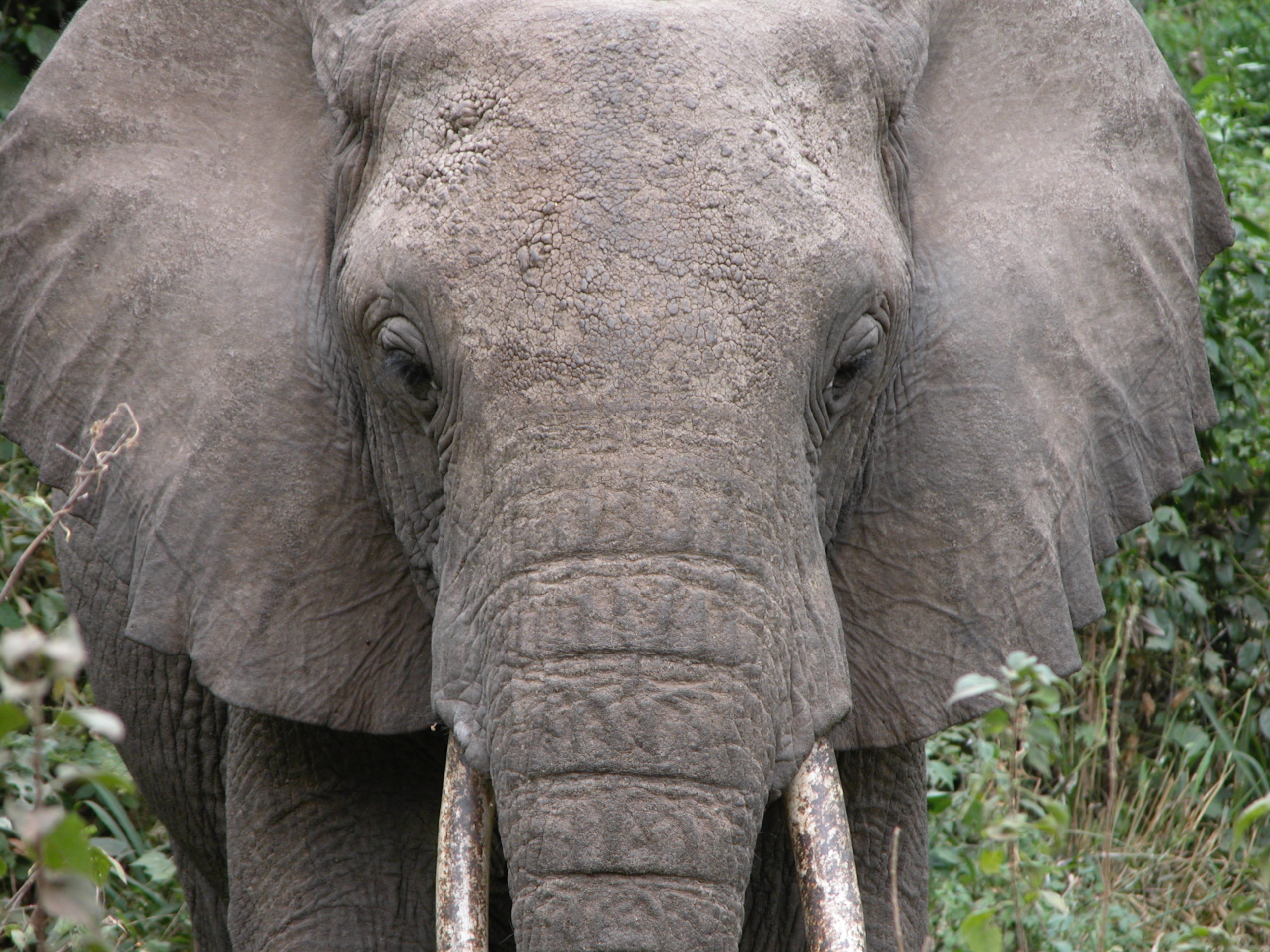
Photo by Chris Christensen on Unsplash
A parábola dos cegos e do elefante tem sido usada para ilustrar uma série de verdades e falácias; de forma mais geral, a parábola implica que a experiência subjetiva de alguém pode ser verdadeira, mas que tal experiência é inerentemente limitada por sua falha em explicar outras verdades ou uma totalidade de verdade. Em vários momentos, a parábola fornece insights sobre o relativismo, a opacidade ou a natureza inexprimível da verdade, o comportamento de especialistas em campos de teorias contraditórias, a necessidade de compreensão mais profunda e o respeito a diferentes perspectivas sobre o mesmo objeto de observação. (Fonte: Wikipedia)
| Audio | |
|---|---|
Normal | Slow |
| English Transcript | Tradução |
| Six Blind Men and the Elephant | Seis cegos e o elefante. |
| Once upon a time there were six blind men. | Era uma vez seis cegos. |
| They lived in a town in India. | Eles moravam em uma cidade na Índia. |
| They thought they were very clever. | Eles se achavam muito espertos. |
| One day an elephant came into the town. | Um dia, um elefante entrou na cidade. |
| The blind men did not know what an elephant looked like but they could smell it and they could hear it. | Os cegos não sabiam como era um elefante, mas podiam cheirá-lo e ouvi-lo. |
| "What is this animal like?" they said. | "Como é esse animal?" eles disseram. |
| Each man touched a different part of the elephant. | Cada homem tocou uma parte diferente do elefante. |
| The first man touched the elephant's body. | O primeiro homem tocou o corpo do elefante. |
| It felt hard, big and wide. | Parecia duro, grande e largo. |
| "An elephant is like a wall," he said. | "Um elefante é como uma parede", disse ele. |
| The second man touched one of the elephant's tusks. | O segundo homem tocou uma das presas do elefante. |
| It felt smooth and hard and sharp. | Parecia suave, dura e afiada. |
| "An elephant is like a spear," he said. | "Um elefante é como uma lança", disse ele. |
| The third man touched the elephant's trunk. | O terceiro homem tocou a tromba do elefante. |
| It felt long and thin and wiggly. | Parecia longa, fina e ondulada. |
| "An elephant is like a snake," he said. | "Um elefante é como uma cobra", disse ele. |
| The fourth man touched one of the legs. | O quarto homem tocou uma das pernas. |
| It felt thick and rough and hard and round. | Parecia grossa e áspera e dura e redonda. |
| "An elephant is like a tree," he said. | "Um elefante é como uma árvore", disse ele. |
| The fifth man touched one of the elephant's ears. | O quinto homem tocou uma das orelhas do elefante. |
| It felt thin and it moved. | Parecia fina e se movia. |
| "An elephant is like a fan," he said. | "Um elefante é como um leque", disse ele. |
| The sixth man touched the elephant's tail. | O sexto homem tocou a cauda do elefante. |
| It felt long and thin and strong. | Parecia longa, fina e forte. |
| "An elephant is like a rope," he said. | "Um elefante é como uma corda", disse ele. |
| The men argued. | Os homens discutiram. |
| It's like a wall! | É como uma parede! |
| No, it isn't! | Não, não é! |
| It's like a spear! | É como uma lança! |
| No it isn't! | Não, não é! |
| It's like a snake! | É como uma cobra! |
| They did not agree. | Eles não concordaram. |
| The king had been watching and listening to the men. | O rei estava observando e ouvindo os homens. |
| "You are not very clever. You only touched part of the elephant. You did not feel the whole animal. An elephant is not like a wall or a spear or a snake, or a tree or a fan or a rope." | "Vocês não são muito espertos. Vocês só tocaram parte do elefante. Vocês não sentiram o animal inteiro. Um elefante não é como uma parede ou uma lança ou uma cobra, ou uma árvore ou um leque ou uma corda." |
| The men left the town still arguing. | Os homens deixaram a cidade ainda discutindo. |
| A little girl heard them and said "Each of you is right but you are all wrong ... but I know what you are talking about!" | Uma garotinha os ouviu e disse: "Cada um de vocês está certo, mas todos estão errados... mas eu sei do que vocês estão falando!" |
Contagem de palavras
A tabela abaixo exibe as palavras encontradas neste texto, bem como o número de vezes em que aparecem.
Veja também: Para que serve esta tabela?
| Freq. | Palavra | Freq. | Palavra | Freq. | Palavra |
|---|---|---|---|---|---|
| 23 | the | 19 | a | 15 | and |
| 14 | it | 14 | is | 12 | like |
| 12 | elephant | 9 | an | 8 | touched |
| 8 | said | 7 | they | 7 | not |
| 7 | man | 6 | you | 6 | of |
| 6 | men | 6 | he | 6 | felt |
| 5 | or | 5 | elephant's | 4 | one |
| 3 | what | 3 | wall | 3 | town |
| 3 | thin | 3 | spear | 3 | snake |
| 3 | hard | 3 | did | 3 | but |
| 3 | blind | 3 | are | 2 | were |
| 2 | very | 2 | tree | 2 | six |
| 2 | rope | 2 | part | 2 | no |
| 2 | long | 2 | know | 2 | in |
| 2 | fan | 2 | each | 2 | could |
| 2 | clever | 2 | animal | 1 | wrong |
| 1 | wiggly | 1 | wide | 1 | whole |
| 1 | watching | 1 | upon | 1 | tusks |
| 1 | trunk | 1 | to | 1 | time |
| 1 | thought | 1 | this | 1 | third |
| 1 | thick | 1 | there | 1 | them |
| 1 | talking | 1 | tail | 1 | strong |
| 1 | still | 1 | smooth | 1 | smell |
| 1 | sixth | 1 | sharp | 1 | second |
| 1 | round | 1 | rough | 1 | right |
| 1 | only | 1 | once | 1 | moved |
| 1 | looked | 1 | lived | 1 | little |
| 1 | listening | 1 | legs | 1 | left |
| 1 | king | 1 | into | 1 | india |
| 1 | I | 1 | heard | 1 | hear |
| 1 | had | 1 | girl | 1 | fourth |
| 1 | first | 1 | fifth | 1 | feel |
| 1 | ears | 1 | different | 1 | day |
| 1 | came | 1 | body | 1 | big |
| 1 | been | 1 | arguing | 1 | argued |
| 1 | all | 1 | agree | 1 | about |