Vídeo | How AI Will Answer Questions We Havent Thought to Ask
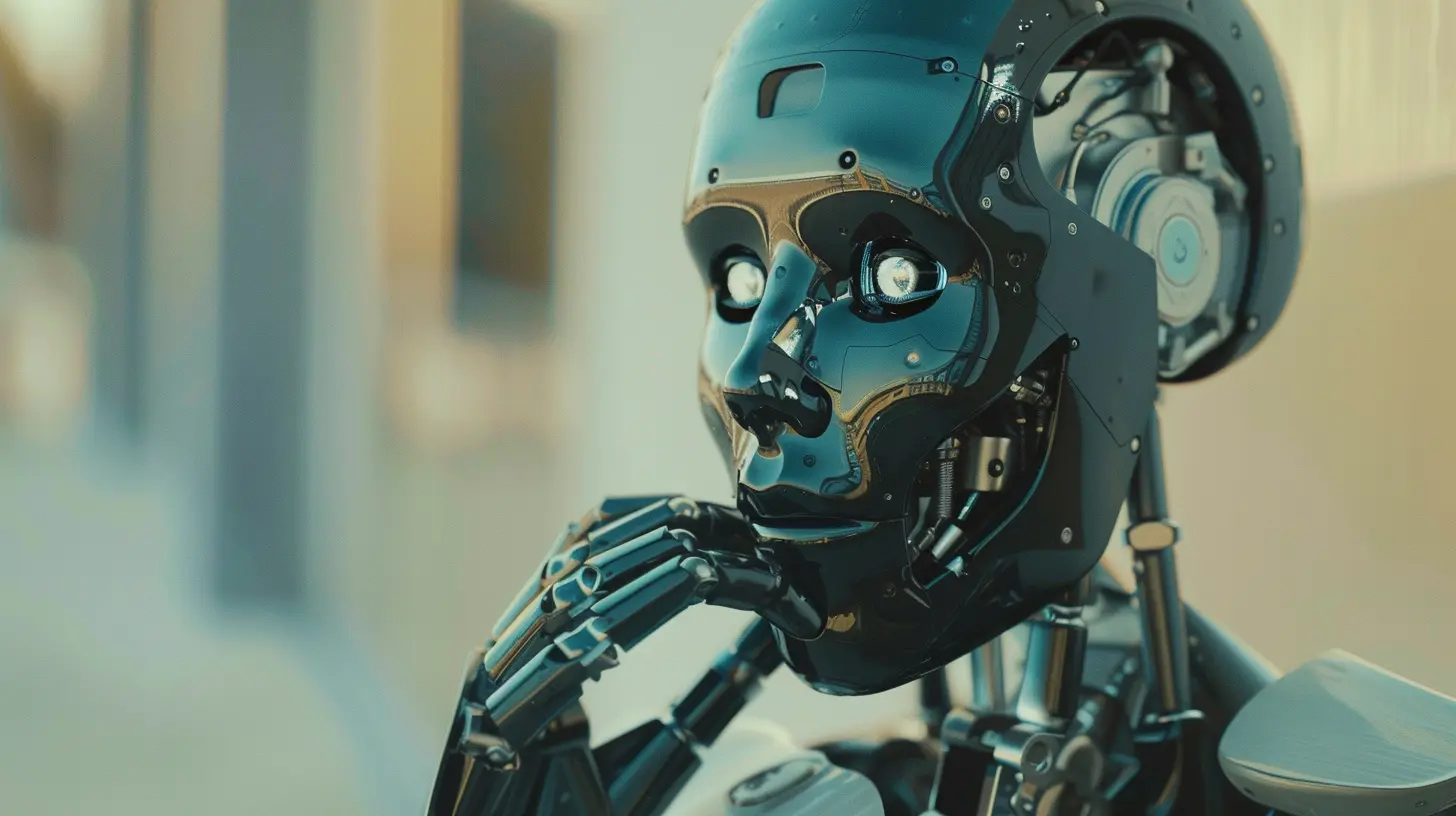
Nesta reflexão instigante, Aravind Srinivas, fundador da Perplexity, subverte a ideia de que a inteligência artificial serve apenas para nos dar respostas rápidas; para ele, o verdadeiro poder da tecnologia reside em sua capacidade de amplificar a característica mais fundamentalmente humana: a curiosidade implacável. Ao traçar um paralelo entre o rigor acadêmico, o método socrático e a evolução dos motores de busca, o autor argumenta que estamos entrando em uma era onde o custo marginal da pesquisa caminha para zero, tornando o acesso à informação universal. Mais do que “matar o Google” ou automatizar tarefas, o futuro da IA promete expandir o potencial da nossa espécie, transformando cada resposta em um trampolim para perguntas que ainda nem fomos capazes de imaginar.
| Audio | |
|---|---|
Normal | Slow |
| English Transcript | Tradução |
| How AI Will Answer Questions We Haven’t Thought to Ask | Como a IA Responderá Perguntas Que Ainda Não Pensamos em Fazer |
| There are a couple of ways I'm not a traditional tech founder. I never dropped out of college. In fact, I kept going. I'm an academic, you could say. And it’s OK to be proud that I have a PhD in AI from Berkeley, right here in the Bay Area. But there's something interesting in AI that I've noticed, compared to other tech founders. | Existem algumas maneiras pelas quais eu não sou um fundador tradicional de tecnologia. Eu nunca abandonei a faculdade. Na verdade, eu continuei. Eu sou um acadêmico, por assim dizer. E está tudo bem ter orgulho de dizer que tenho um PhD em IA por Berkeley, aqui mesmo na Bay Area. Mas há algo interessante na IA que eu notei, em comparação com outros fundadores de tecnologia. |
| Other stereotypes, at least. A lot of us hold PhDs. I mean, quite a lot. 11 out of 24 speakers just at this conference have PhDs, and over a third are assistant, associate or full professors with major universities. Only time will tell if this is a new trend of seeing academics in technology startups. But I got pretty curious to find out if this is common or new. | Outros estereótipos, pelo menos. Muitos de nós têm PhD. Quero dizer, muitos mesmo. 11 dos 24 palestrantes desta conferência têm PhD, e mais de um terço são professores assistentes, associados ou titulares em grandes universidades. Só o tempo dirá se esta é uma nova tendência de ver acadêmicos em startups de tecnologia. Mas fiquei bastante curioso para descobrir se isso é comum ou algo novo. |
| And it turns out this is somewhat new. Only over a year ago, researchers at the University of Maryland found a 38 percent decline at the rate of startup formation or share of employment by US PhDs over the past 20 years. Yet our attendance here today and the trend in AI technology broadly does not seem to correlate with this finding. | E acontece que isso é relativamente novo. Há pouco mais de um ano, pesquisadores da Universidade de Maryland encontraram uma queda de 38% na taxa de criação de startups ou na participação no emprego de PhDs nos EUA ao longo dos últimos 20 anos. No entanto, nossa presença aqui hoje e a tendência na tecnologia de IA de forma geral não parecem correlacionar com esse achado. |
| As I said, only time and more data will tell. In the meantime, my curiosity led me to another question: What was the last major technology company founded by academics? Google. At Perplexity, we get accused of trying to kill Google a lot. But trust me, we're not really trying to kill things. We are motivated about building things. | Como eu disse, só o tempo e mais dados dirão. Enquanto isso, minha curiosidade me levou a outra pergunta: qual foi a última grande empresa de tecnologia fundada por acadêmicos? Google. Na Perplexity, somos frequentemente acusados de tentar matar o Google. Mas acredite, não estamos realmente tentando matar coisas. Estamos motivados a construir coisas. |
| The cofounders of Google would probably say the same. Let's hear from Larry Page. An interview of his from the year 2000. Larry Page: AI would be the ultimate version of Google. So if we had the ultimate search engine, it would understand everything on the web. It would understand, you know, exactly what you wanted, and it would give you the right thing. | Os cofundadores do Google provavelmente diriam o mesmo. Vamos ouvir Larry Page. Uma entrevista dele do ano 2000. Larry Page: A IA seria a versão definitiva do Google. Então, se tivéssemos o mecanismo de busca definitivo, ele entenderia tudo na web. Ele entenderia exatamente o que você quer e lhe daria a coisa certa. |
| And that's obviously artificial intelligence. It would be able to answer any question, basically, because almost everything is on the web, right? Aravind Srinivas: Think about that. Artificial intelligence in the year 2000. I was only six back then. There are a few things interesting about this interview. | E isso é obviamente inteligência artificial. Ela seria capaz de responder basicamente qualquer pergunta, porque quase tudo está na web, certo? Aravind Srinivas: Pense nisso. Inteligência artificial no ano 2000. Eu tinha apenas seis anos naquela época. Há algumas coisas interessantes nessa entrevista. |
| One, Larry did accurately predict the future of search almost 25 years ago. The future of search is artificial intelligence. That’s why I’m here, and we’re going to talk more about it. Second, it's very interesting how a common theme in interviews like those or events like these is us thinking about the future. | Primeiro, Larry previu com precisão o futuro da busca quase 25 anos atrás. O futuro da busca é a inteligência artificial. É por isso que estou aqui, e vamos falar mais sobre isso. Segundo, é muito interessante como um tema comum em entrevistas como essa ou eventos como este é pensarmos sobre o futuro. |
| What is the future of search? What is the future of technology? What is the future of AI? I'm sure a lot of you have lots of thoughts about these questions. In some sense, that is the purpose of technology: to keep us thinking and to keep us evolving. But people like Larry, or people like you or people like me, we are not building technology in a vacuum. | Qual é o futuro da busca? Qual é o futuro da tecnologia? Qual é o futuro da IA? Tenho certeza de que muitos de vocês têm várias ideias sobre essas perguntas. Em certo sentido, esse é o propósito da tecnologia: manter-nos pensando e evoluindo. Mas pessoas como Larry, ou pessoas como vocês ou como eu, não estão construindo tecnologia no vácuo. |
| We are building technology for us, the people. We are the people. So when we come here to think about what is the future of technology or what is the future of AI, let's ask ourselves this question: What is the future of us, the people? I believe that AI will make us even more human. Socrates, the Greek philosopher, is famous for saying that wisdom comes from realizing how little we know, or that progress can only be made by asking better questions. | Estamos construindo tecnologia para nós, as pessoas. Nós somos as pessoas. Então, quando nos reunimos para pensar sobre qual é o futuro da tecnologia ou qual é o futuro da IA, vamos nos fazer esta pergunta: qual é o futuro de nós, as pessoas? Eu acredito que a IA nos tornará ainda mais humanos. Sócrates, o filósofo grego, é famoso por dizer que a sabedoria vem de perceber o quanto sabemos pouco, ou que o progresso só pode ser feito fazendo perguntas melhores. |
| The Socratic method is essentially the practice of relentless questioning. Relentless questioning is something academics do all the time. It has been core to the progress of human intellect over the past 1,000 years. Relentless questioning is also a practice that can be done orders of magnitude better with the power of AI. | O método socrático é essencialmente a prática de questionamento incessante. O questionamento incessante é algo que acadêmicos fazem o tempo todo. Ele tem sido central para o progresso do intelecto humano ao longo dos últimos mil anos. O questionamento incessante também é uma prática que pode ser realizada ordens de magnitude melhor com o poder da IA. |
| And by the way, relentless questioning is something south Indian parents do when you tell them you're leaving a good university or a stable job to go join a startup. So, jokes aside, relentless questioning is something fundamentally human. The physicist David Deutsch has proposed that we humans are the only species who have curiosity for what is already familiar. | E, aliás, questionamento incessante é algo que pais do sul da Índia fazem quando você diz a eles que está deixando uma boa universidade ou um emprego estável para entrar em uma startup. Então, brincadeiras à parte, questionar incessantemente é algo fundamentalmente humano. O físico David Deutsch propôs que nós, humanos, somos a única espécie que tem curiosidade sobre aquilo que já nos é familiar. |
| We can know so much about the stars above us or the machines in front of us and yet continue to have more questions about them. It seems like for humans, every answer leads to a new set of questions. Questions that we haven't even asked before. That, to me, is what the future of technology should be about. | Podemos saber muito sobre as estrelas acima de nós ou as máquinas à nossa frente e ainda assim continuar tendo mais perguntas sobre elas. Parece que, para os humanos, cada resposta leva a um novo conjunto de perguntas. Perguntas que nem sequer havíamos feito antes. Para mim, é disso que o futuro da tecnologia deveria tratar. |
| And it's also how Perplexity was born. I was raised as an academic in the comforting arms of universities. So when I actually entered the real world and tried to do my own company, I had an endless set of questions. SPVs, SAFE notes, health insurance. I needed to figure all these things out. And all these required to do a lot of research and needed actual answers. | E foi assim que a Perplexity nasceu. Eu fui criado como acadêmico nos braços confortáveis das universidades. Então, quando realmente entrei no mundo real e tentei criar minha própria empresa, tive um conjunto interminável de perguntas. SPVs, SAFE notes, seguro de saúde. Eu precisava descobrir todas essas coisas. E todas exigiam muita pesquisa e respostas reais. |
| And traditional search engines left me lost. There was a ton of information and very little time to evaluate any of it. And neither did I have access to all of the experts on all these topics. So I was actually truly in a state of perplexity. So that's when I thought, maybe I could have an AI do this for me. | E os mecanismos de busca tradicionais me deixaram perdido. Havia uma enorme quantidade de informação e muito pouco tempo para avaliá-la. E eu também não tinha acesso a todos os especialistas em todos esses temas. Então eu estava realmente em um estado de perplexidade. Foi então que pensei: talvez eu pudesse fazer uma IA fazer isso por mim. |
| Maybe I could go ask an AI all these questions, if it was able to pull information from the web and answer all my questions. So my cofounders and I came together, and we built a Sackbot where we could just ask our own questions. Once we began using it is when we realized what we built was much bigger than ourselves. | Talvez eu pudesse perguntar a uma IA todas essas questões, se ela fosse capaz de puxar informações da web e responder todas as minhas perguntas. Então meus cofundadores e eu nos reunimos e construímos um bot onde poderíamos simplesmente fazer nossas próprias perguntas. Quando começamos a usá-lo, percebemos que o que havíamos construído era muito maior do que nós mesmos. |
| For the first time, I had the ability to go ask whatever question I wanted about any topic, no matter my level of expertise in it, and get a well-researched answer from the web. And it's not just about an answer. It's an answer that I can actually trust. In this case, every answer in Perplexity comes with sources from the web in the form of citations, just like academics cite their sources. | Pela primeira vez, eu tinha a capacidade de fazer qualquer pergunta que quisesse sobre qualquer tema, independentemente do meu nível de especialização nele, e obter uma resposta bem pesquisada a partir da web. E não se trata apenas de uma resposta. É uma resposta na qual eu posso realmente confiar. Nesse caso, cada resposta na Perplexity vem com fontes da web na forma de citações, assim como acadêmicos citam suas fontes. |
| Now this is pretty powerful because trust is not unique to animals or humans, but it empowers us pretty differently. In the case of humans, an answer you could trust allows you to ask better follow-up questions. More questions lead to more knowledge. That's the point of ensuring that you could always get an answer with well-cited sources. | Isso é bastante poderoso porque a confiança não é exclusiva de animais ou humanos, mas ela nos fortalece de maneiras diferentes. No caso dos humanos, uma resposta na qual você pode confiar permite fazer melhores perguntas de acompanhamento. Mais perguntas levam a mais conhecimento. Esse é o objetivo de garantir que você sempre possa obter uma resposta com fontes bem citadas. |
| And in Perplexity, ever since the beginning, every answer has always come with sources that allows you to ask more questions. In my case, once I ask questions about SAFE notes or insurance, I ask more questions. What areas outside of insurance could I benefit from having access to better answers? Who else in the world benefits from having access to better answers? Now the answer is basically all of us. | E na Perplexity, desde o início, cada resposta sempre veio com fontes que permitem fazer mais perguntas. No meu caso, depois de fazer perguntas sobre SAFE notes ou seguros, faço mais perguntas. Em que áreas fora do seguro eu poderia me beneficiar de ter acesso a respostas melhores? Quem mais no mundo se beneficia de ter acesso a respostas melhores? Agora a resposta é basicamente todos nós. |
| Every single person benefits from having access to better answers. This is such a profound shift in human history. Until recently, if you wanted the best answers, you had to be someone who could afford it. You had to be someone who had access to the greatest minds in the world or the best materials, libraries, expertise. | Cada pessoa se beneficia de ter acesso a respostas melhores. Esta é uma mudança profundamente significativa na história humana. Até recentemente, se você quisesse as melhores respostas, precisava ser alguém que pudesse pagar por isso. Precisava ser alguém que tivesse acesso às maiores mentes do mundo ou aos melhores materiais, bibliotecas e especialistas. |
| And now that's changing. If a major achievement of the internet was to give everyone access to all of the world's information, a major achievement of AI would be to give everyone access to all of the world's answers. It doesn't matter if you're a Harvard professor or an underserved student in a developing nation, we all get access to the same answers. | E agora isso está mudando. Se uma grande conquista da internet foi dar a todos acesso a todas as informações do mundo, uma grande conquista da IA será dar a todos acesso a todas as respostas do mundo. Não importa se você é um professor de Harvard ou um estudante carente em um país em desenvolvimento, todos temos acesso às mesmas respostas. |
| With AI that keeps getting better and better at answering all our questions, the marginal cost of research is rapidly approaching zero. In that new era of humanity that AI is powering, knowledge does not really care about who you are, where you’re from or who you have access to. Rather, what matters is the next question you're going to ask. | Com uma IA que continua ficando cada vez melhor em responder todas as nossas perguntas, o custo marginal da pesquisa está rapidamente se aproximando de zero. Nesta nova era da humanidade impulsionada pela IA, o conhecimento não se importa realmente com quem você é, de onde você vem ou a quem você tem acesso. O que importa é a próxima pergunta que você vai fazer. |
| When all of the world's answers are available to all of the world's people, one can only wonder: What will the best questions be, and how many such questions will get asked? This is again where David Deutsch argues that human potential is infinite. As long as we keep engaging in relentless questioning and keep asking an interesting set of questions, the sky is the limit in terms of what we can actually learn. | Quando todas as respostas do mundo estiverem disponíveis para todas as pessoas do mundo, só resta perguntar: quais serão as melhores perguntas e quantas dessas perguntas serão feitas? É aqui novamente que David Deutsch argumenta que o potencial humano é infinito. Desde que continuemos nos engajando em questionamento incessante e continuemos fazendo perguntas interessantes, o céu é o limite em termos do que podemos aprender. |
| For example, humans are always curious. You can see that in babies. Even before they learn to crawl, they're pretty curious about what's around them. That's a natural trait for all of us. Take an example of the technologies that we are building. In the case of the bot that became Perplexity. | Por exemplo, os humanos são sempre curiosos. Você pode ver isso nos bebês. Mesmo antes de aprenderem a engatinhar, eles já são bastante curiosos sobre o que está ao seu redor. Essa é uma característica natural de todos nós. Pegue um exemplo das tecnologias que estamos construindo. No caso do bot que se tornou a Perplexity. |
| Once I got answers to something like health insurance, I could ask an infinite set of new questions, ranging from very pointed ones, like, what are concrete ways to improve the health care insurance industry, to very broad ones, like, who else would benefit from having access to such a technology? | Depois que obtive respostas sobre algo como seguro de saúde, pude fazer um conjunto infinito de novas perguntas, variando desde perguntas muito específicas, como quais são formas concretas de melhorar a indústria de seguros de saúde, até perguntas muito amplas, como quem mais se beneficiaria de ter acesso a essa tecnologia? |
| It seems to a curious species every question and answer that you get is a lead to the next set of questions, and spawns several paths of curiosity, more than any one person can keep track of. | Parece que, para uma espécie curiosa, cada pergunta e resposta que você obtém leva a um novo conjunto de perguntas e cria vários caminhos de curiosidade, mais do que qualquer pessoa pode acompanhar. |
| So when we are here to wonder about what is the future of technology, or what is the future of AI, we are merely talking about the outputs, the outputs of a much bigger question: What is the future of human curiosity? | Então, quando estamos aqui pensando sobre qual é o futuro da tecnologia ou qual é o futuro da IA, estamos apenas falando sobre os resultados, os resultados de uma pergunta muito maior: qual é o futuro da curiosidade humana? |
| It is my strong belief that in an age where AI gets better and better at answering all our questions, this human quality that makes us so human will become even more essential. Our innate curiosity and our relentless questioning. With all of the world's answers available to us, the tools we use to ask our questions, and the stuff that we build using those answers, those to me are the future of our technology. | É minha forte convicção que, em uma era em que a IA fica cada vez melhor em responder todas as nossas perguntas, essa qualidade humana que nos torna tão humanos se tornará ainda mais essencial. Nossa curiosidade inata e nosso questionamento incessante. Com todas as respostas do mundo disponíveis para nós, as ferramentas que usamos para fazer nossas perguntas e as coisas que construímos usando essas respostas, isso, para mim, é o futuro da nossa tecnologia. |
| And more importantly, that is the future of us, the future of humans. We are all curious, and when we are curious, we want answers. We really do. But what we really want are those answers that lead us to the next set of questions. And I, for one, can't wait to see what you will ask next. Thank you. | E, mais importante, esse é o futuro de nós, o futuro dos humanos. Somos todos curiosos e, quando somos curiosos, queremos respostas. Realmente queremos. Mas o que realmente queremos são aquelas respostas que nos levam ao próximo conjunto de perguntas. E eu, por minha parte, mal posso esperar para ver qual será a próxima pergunta que vocês farão. Obrigado. |
Contagem de palavras
A tabela abaixo exibe as palavras encontradas neste vídeo, bem como o número de vezes em que aparecem.
Veja também: Para que serve esta tabela?
| Freq. | Palavra | Freq. | Palavra | Freq. | Palavra |
|---|---|---|---|---|---|
| 88 | the | 69 | of | 56 | to |
| 49 | is | 36 | and | 34 | a |
| 33 | that | 32 | we | 32 | I |
| 31 | in | 24 | you | 24 | questions |
| 24 | are | 22 | what | 22 | it |
| 19 | us | 18 | all | 17 | about |
| 16 | or | 16 | future | 16 | ai |
| 15 | an | 13 | this | 13 | from |
| 13 | ask | 13 | answers | 13 | answer |
| 12 | technology | 11 | more | 10 | so |
| 10 | like | 10 | have | 10 | better |
| 10 | be | 10 | access | 9 | was |
| 9 | not | 9 | for | 9 | could |
| 8 | would | 8 | world | 8 | with |
| 8 | will | 8 | when | 8 | our |
| 8 | human | 8 | can | 7 | who |
| 7 | relentless | 7 | questioning | 7 | question |
| 7 | people | 7 | only | 7 | my |
| 7 | me | 7 | if | 7 | at |
| 6 | these | 6 | set | 6 | perplexity |
| 6 | new | 6 | humans | 6 | had |
| 6 | get | 6 | do | 6 | curious |
| 6 | but | 5 | web | 5 | time |
| 5 | something | 5 | search | 5 | out |
| 5 | lot | 5 | keep | 5 | insurance |
| 5 | how | 5 | here | 5 | every |
| 5 | curiosity | 4 | where | 4 | very |
| 4 | trust | 4 | those | 4 | things |
| 4 | there | 4 | sources | 4 | really |
| 4 | pretty | 4 | over | 4 | one |
| 4 | next | 4 | major | 4 | larry |
| 4 | just | 4 | interesting | 4 | having |
| 4 | 4 | even | 4 | case | |
| 4 | by | 4 | building | 4 | as |
| 4 | any | 4 | actually | 4 | academics |
| 3 | years | 3 | year | 3 | wanted |
| 3 | them | 3 | tell | 3 | such |
| 3 | right | 3 | phds | 3 | once |
| 3 | on | 3 | now | 3 | much |
| 3 | lead | 3 | know | 3 | intelligence |
| 3 | information | 3 | health | 3 | has |
| 3 | going | 3 | go | 3 | give |
| 3 | does | 3 | best | 3 | artificial |
| 3 | am | 3 | always | 2 | yet |
| 2 | wonder | 2 | well | 2 | ways |
| 2 | want | 2 | using | 2 | university |
| 2 | universities | 2 | understand | 2 | ultimate |
| 2 | trying | 2 | trend | 2 | traditional |
| 2 | thought | 2 | thinking | 2 | think |
| 2 | they | 2 | than | 2 | tech |
| 2 | startup | 2 | species | 2 | someone |
| 2 | seems | 2 | see | 2 | say |
| 2 | same | 2 | safe | 2 | research |
| 2 | re | 2 | progress | 2 | practice |
| 2 | person | 2 | past | 2 | page |
| 2 | own | 2 | outputs | 2 | ourselves |
| 2 | other | 2 | ones | 2 | notes |
| 2 | needed | 2 | maybe | 2 | matter |
| 2 | little | 2 | let | 2 | learn |
| 2 | knowledge | 2 | kill | 2 | interview |
| 2 | infinite | 2 | got | 2 | expertise |
| 2 | example | 2 | everything | 2 | everyone |
| 2 | else | 2 | did | 2 | deutsch |
| 2 | david | 2 | company | 2 | common |
| 2 | comes | 2 | come | 2 | cofounders |
| 2 | care | 2 | built | 2 | bigger |
| 2 | benefits | 2 | benefit | 2 | before |
| 2 | because | 2 | basically | 2 | available |
| 2 | asking | 2 | asked | 2 | answering |
| 2 | also | 2 | almost | 2 | allows |
| 2 | ago | 2 | achievement | 2 | academic |
| 2 | able | 1 | zero | 1 | wisdom |
| 1 | why | 1 | whatever | 1 | way |
| 1 | wait | 1 | version | 1 | vacuum |
| 1 | use | 1 | up | 1 | until |
| 1 | unique | 1 | underserved | 1 | turns |
| 1 | truly | 1 | tried | 1 | trait |
| 1 | track | 1 | topics | 1 | topic |
| 1 | tools | 1 | ton | 1 | together |
| 1 | today | 1 | thoughts | 1 | third |
| 1 | thing | 1 | then | 1 | theme |
| 1 | their | 1 | thank | 1 | terms |
| 1 | technologies | 1 | talking | 1 | talk |
| 1 | take | 1 | sure | 1 | stuff |
| 1 | student | 1 | strong | 1 | stereotypes |
| 1 | state | 1 | startups | 1 | stars |
| 1 | stable | 1 | srinivas | 1 | spvs |
| 1 | speakers | 1 | spawns | 1 | south |
| 1 | somewhat | 1 | some | 1 | socratic |
| 1 | socrates | 1 | sky | 1 | six |
| 1 | single | 1 | since | 1 | should |
| 1 | shift | 1 | share | 1 | several |
| 1 | sense | 1 | seem | 1 | seeing |
| 1 | second | 1 | saying | 1 | said |
| 1 | sackbot | 1 | researchers | 1 | researched |
| 1 | required | 1 | recently | 1 | realizing |
| 1 | realized | 1 | real | 1 | rather |
| 1 | rate | 1 | rapidly | 1 | ranging |
| 1 | raised | 1 | quite | 1 | quality |
| 1 | purpose | 1 | pull | 1 | proud |
| 1 | proposed | 1 | profound | 1 | professors |
| 1 | professor | 1 | probably | 1 | predict |
| 1 | powering | 1 | powerful | 1 | power |
| 1 | potential | 1 | pointed | 1 | point |
| 1 | physicist | 1 | philosopher | 1 | phd |
| 1 | percent | 1 | paths | 1 | parents |
| 1 | outside | 1 | orders | 1 | ok |
| 1 | obviously | 1 | noticed | 1 | no |
| 1 | never | 1 | neither | 1 | natural |
| 1 | nation | 1 | motivated | 1 | minds |
| 1 | method | 1 | merely | 1 | meantime |
| 1 | mean | 1 | matters | 1 | materials |
| 1 | maryland | 1 | marginal | 1 | many |
| 1 | makes | 1 | make | 1 | magnitude |
| 1 | made | 1 | machines | 1 | m |
| 1 | lots | 1 | lost | 1 | long |
| 1 | limit | 1 | libraries | 1 | level |
| 1 | left | 1 | led | 1 | leaving |
| 1 | least | 1 | leads | 1 | last |
| 1 | kept | 1 | keeps | 1 | jokes |
| 1 | join | 1 | job | 1 | interviews |
| 1 | internet | 1 | intellect | 1 | innate |
| 1 | industry | 1 | indian | 1 | improve |
| 1 | importantly | 1 | humanity | 1 | hold |
| 1 | history | 1 | his | 1 | hear |
| 1 | haven | 1 | harvard | 1 | greek |
| 1 | greatest | 1 | good | 1 | getting |
| 1 | gets | 1 | fundamentally | 1 | full |
| 1 | front | 1 | founders | 1 | founder |
| 1 | founded | 1 | found | 1 | formation |
| 1 | form | 1 | follow | 1 | first |
| 1 | finding | 1 | find | 1 | figure |
| 1 | few | 1 | famous | 1 | familiar |
| 1 | fact | 1 | experts | 1 | exactly |
| 1 | evolving | 1 | ever | 1 | events |
| 1 | evaluate | 1 | essentially | 1 | essential |
| 1 | era | 1 | entered | 1 | ensuring |
| 1 | engines | 1 | engine | 1 | engaging |
| 1 | endless | 1 | empowers | 1 | employment |
| 1 | dropped | 1 | done | 1 | differently |
| 1 | developing | 1 | decline | 1 | data |
| 1 | crawl | 1 | couple | 1 | cost |
| 1 | correlate | 1 | core | 1 | continue |
| 1 | conference | 1 | concrete | 1 | compared |
| 1 | comforting | 1 | college | 1 | cited |
| 1 | cite | 1 | citations | 1 | changing |
| 1 | cannot | 1 | came | 1 | build |
| 1 | broadly | 1 | broad | 1 | bot |
| 1 | born | 1 | berkeley | 1 | believe |
| 1 | belief | 1 | beginning | 1 | began |
| 1 | been | 1 | become | 1 | became |
| 1 | bay | 1 | back | 1 | babies |
| 1 | attendance | 1 | associate | 1 | assistant |
| 1 | aside | 1 | around | 1 | arms |
| 1 | argues | 1 | areas | 1 | area |
| 1 | aravind | 1 | approaching | 1 | another |
| 1 | animals | 1 | already | 1 | age |
| 1 | again | 1 | afford | 1 | actual |
| 1 | accused | 1 | accurately | 1 | above |
| 1 | ability |